79 Years of Azadi: How the Pakistan Air Force Has Safeguarded Pakistan's Freedom
Freedom is not won once. It is defended every single day.
As Pakistan celebrates 79 years of independence the nation reflects not only on the sacrifices that led to its creation but also on the unwavering commitment of those who have safeguarded its sovereignty ever since. Among the institutions that have stood as the nation's first line of aerial defence is the Pakistan Air Force an organization whose history is intertwined with Pakistan's own journey of resilience sacrifice and progress. From its humble beginnings in 1947 to becoming a sophisticated multi-domain air force the Pakistan Air Force has remained steadfast in its mission: to protect Pakistan's skies preserve its sovereignty and ensure that the country's hard-earned freedom endures for future generations.
A Humble Beginning, A Remarkable Transformation
At the time of independence Pakistan inherited limited aircraft infrastructure and resources. The challenges were immense. Yet through determination professionalism and visionary leadership the fledgling Royal Pakistan Air Force gradually evolved into an all-encompassing air force. Over the decades PAF invested heavily in pilot training technological innovation operational readiness and indigenous capabilities.
The scale of this transformation is reflected in the numbers and capabilities themselves. In 1947 the Royal Pakistan Air Force began with 2,332 personnel and 16 fighter aircraft operating with limited infrastructure and inherited resources. Today the Pakistan Air Force has more than 70,000 personnel and over 420 combat-ready aircraft supported by a nationwide operational airbase network and a far broader ecosystem of air power. Numbers tell only part of the story. The more significant transformation has been in the quality of training, technology, operational experience and systems integration supporting the force.
Building an Air Force
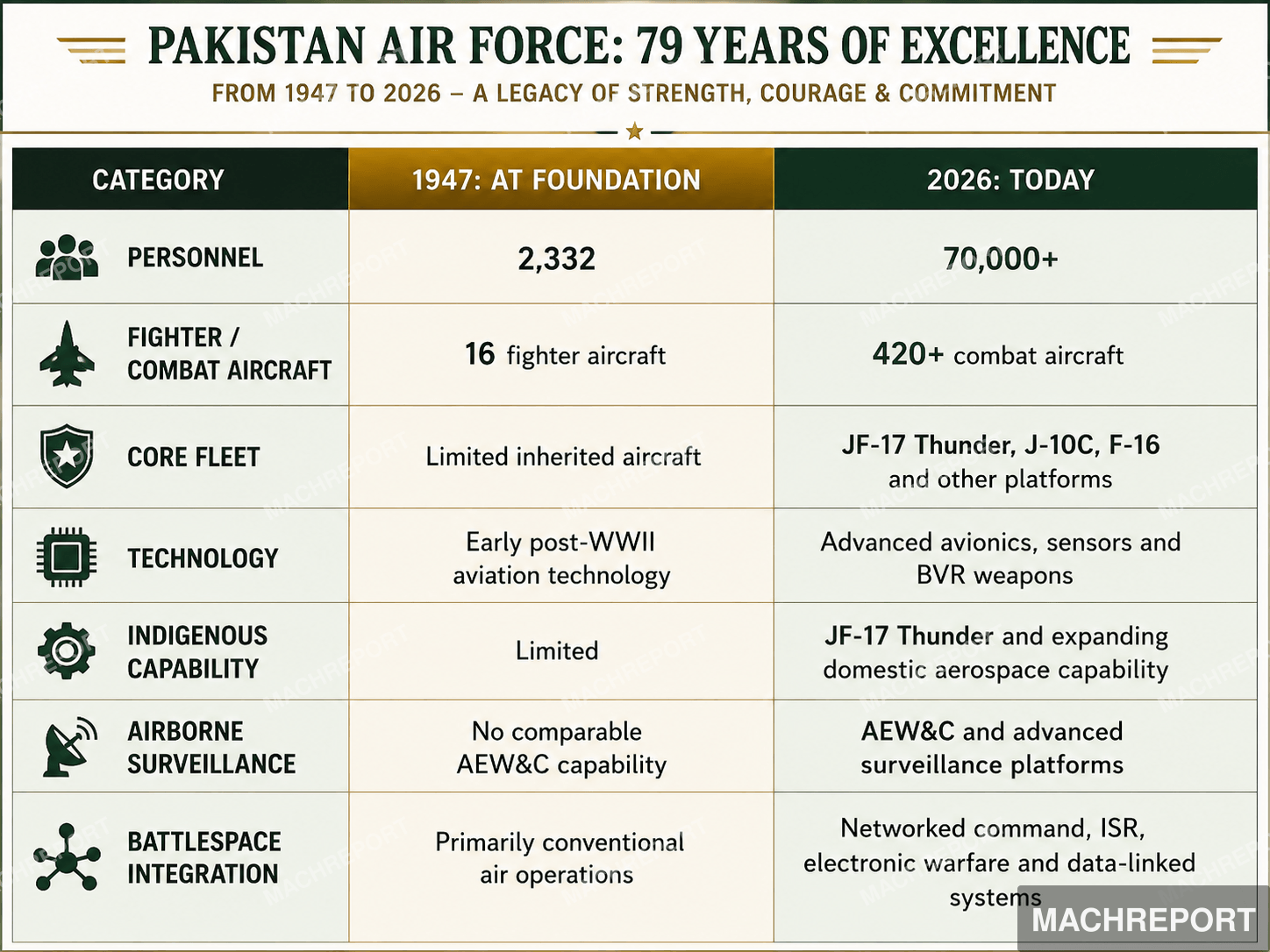
Air power has never been only about fighter aircraft. As the security environment changed, the Pakistan Air Force strengthened every element of its capability, from pilot training, maintenance and command-and-control to intelligence, surveillance and operational readiness.
Over the decades, PAF modernised its frontline fleet, expanded aviation infrastructure and steadily built greater domestic aerospace capability. The development of the JF-17 Thunder marked a particularly important milestone, reflecting Pakistan’s growing ability to develop and sustain its own air power. But PAF did not stop there. It evolved beyond traditional fighter operations, embracing airborne early warning and control, advanced surveillance, unmanned systems, aerial refuelling, sophisticated sensors and precision-guided weapons. These capabilities transformed the force into a more integrated and responsive air power.
This evolution was not simply about acquiring newer technology, it was about anticipating tomorrow’s battlefield before it arrived. Decades of operational experience, foresight, leadership and continuous adaptation have enabled PAF to remain prepared for emerging threats. From the limited resources of 1947 to an increasingly sophisticated multi-domain force, its journey reflects one enduring commitment: to evolve with the times, stay ahead of emerging challenges and keep Pakistan’s skies secure and its independence protected.
Tested in Conflict
PAF’s capabilities were tested from the earliest years of Pakistan’s existence. During the 1947–48 Kashmir conflict, the newly established air force provided vital transport, reconnaissance and logistical support despite operating with limited resources. This early experience was followed by a more demanding test in the 1965 Indo-Pak War, when the PAF conducted sustained combat operations to defend Pakistani airspace and support ground forces.
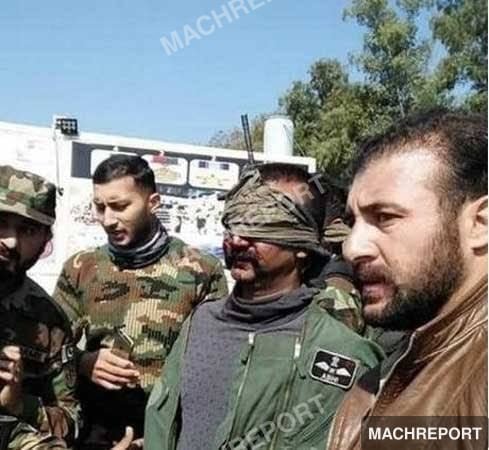
In the decades that followed, the nature of its missions expanded. Alongside conventional air defence, PAF became involved in counterterrorism operations, border surveillance, intelligence and reconnaissance. In 2019, following heightened regional tensions, Pakistan Air Force executed a measured and decisive military response demonstrating both operational capability and strategic restraint. During the ensuing aerial engagement Pakistani aircraft successfully shot down an Indian MiG-21 and captured Indian Air Force pilot, Wing Commander Abhinandan. The action sent a clear message: Pakistan possessed the capability and resolve to defend its sovereignty and impose costs on any provocation. Yet by subsequently releasing the captured pilot as a goodwill gesture Pakistan demonstrated that its strength was matched by restraint and responsibility.
Continuing the Legacy: Operation Bunyan-un-Marsoos
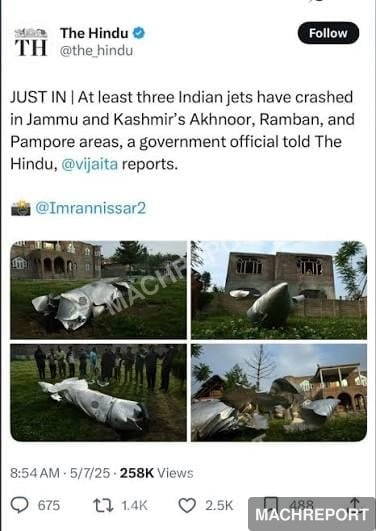
Pakistan Air Force’s legacy of vigilance, readiness and continuous evolution was put to the test once again in May 2025 during Operation Bunyan un-Marsoos. As tensions with India escalated into open hostilities, PAF stood at the heart of Pakistan’s response. The confrontation became a major test of Pakistan’s air-combat capability. According to Pakistan’s official assessment, PAF achieved an “8–0” kill against IAF including four Rafales, a Su-30MKI, a MiG-29, a Mirage 2000 and a high-value unmanned system. Pakistan’s initial assessment had reported six Indian fighter aircraft downed, while subsequent international reporting confirmed the loss of multiple Indian aircraft, including a Rafale.
The future of air power will belong to those who can see first, understand faster, connect more effectively and act decisively. That requires more than advanced technology, it demands highly trained personnel, resilient infrastructure, strong command systems and constant operational readiness.
From 1947 to 2025 and beyond, the PAF’s evolution reflects a single enduring objective: to remain prepared for the threats of today, anticipate the challenges of tomorrow and keep Pakistan’s skies and its independence secure. But the confrontation was not fought in the skies alone. Modern warfare demands more than fighter aircraft and Pakistan demonstrated a broader approach by combining air combat, long-range precision strike, unmanned systems, electronic warfare, cyber capabilities, intelligence and information operations into a coordinated response.
For PAF, May 2025 represented more than another chapter in its operational history. It demonstrated how far the force had travelled since its modest beginnings from a small air arm operating with limited resources to a highly integrated, technologically advanced and multi-domain air force capable of adapting to the demands of modern warfare. The message was unmistakable: Pakistan does not seek conflict, but it possesses the capability, preparedness and resolve to defend its sovereignty when challenged. And the evolution does not stop at the present. The battles of tomorrow may be decided as much by information, networks and decision-making as by aircraft and weapons. Recognising this shift, PAF continues to develop capabilities in electronic warfare, cyber defence, artificial intelligence, secure communications, data fusion and AI. The future of air power will belong to those who can see first, understand faster, connect more effectively and act decisively. That requires more than advanced technology, it demands highly trained personnel, resilient infrastructure, strong command systems and constant operational readiness.
From 1947 to 2025 and beyond, the PAF’s evolution reflects a single enduring objective: to remain prepared for the threats of today, anticipate the challenges of tomorrow and keep Pakistan’s skies and its independence secure.
79 Years of Freedom, One Enduring Commitment
As the crescent and star continue to fly proudly over a free Pakistan, Pakistan Air Force remains committed to fulfilling that enduring responsibility:
To defend Pakistan's airspace, safeguard the nation's independence and ensure that the spirit of Azadi continues to soar for generations to come.
Comments
Login to comment
No comments yet. Start the conversation.