DRDO Dual Channel Seeker: Derating and Reliability
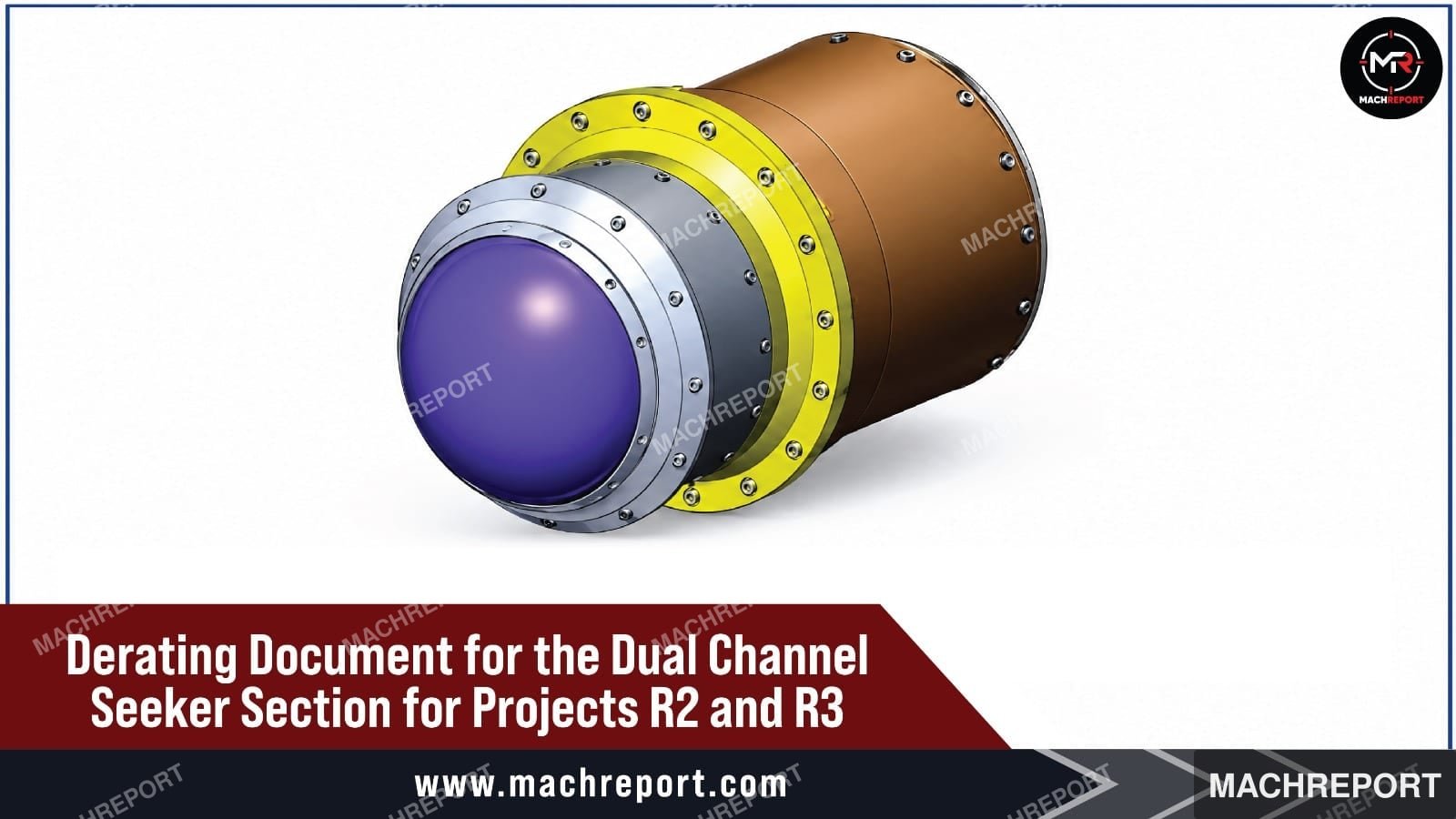
DRDO's Dual Channel Seeker derating assessment examines electronic component reliability, safety margins and quality assurance for Projects R2 and R3.
The Dual Channel Seeker developed under India's Defence Research and Development Organisation (DRDO) is the subject of a technical derating assessment covering electronic assemblies associated with Projects R2 and R3. The engineering document, prepared by Research Centre Imarat (RCI), examines electrical and thermal operating conditions to assess component reliability, safety margins and compliance with engineering requirements.
The assessment covers electronic subsystems, including sensor interface electronics, processing modules, servo drive electronics and supporting assemblies. By evaluating components against their rated operating limits, the document provides a structured basis for design verification and quality assurance.
Objectives and Scope
The primary objective of the document is to define and verify the derating of active components, passive components, and connectors installed on the seeker's electronic assemblies. The assessment ensures that components are operated within their permissible electrical and thermal limits, with adequate margins against their maximum rated values.
The scope includes the identification of individual components through circuit reference designators and part numbers, together with their specified ratings, operating conditions, and calculated derating factors. These details provide a traceable basis for reviewing component selection and verifying compliance with applicable engineering requirements.
The document covers multiple electronic modules integrated into the Dual Channel Seeker, including the Sensor Interface Electronics (SIE), Servo Drive Amplifier Module (SDAM), Seeker Processing Module (SPM), Mother Board, and EMI Filter. The component-level analysis supports design verification and provides technical documentation for quality assurance and reliability assessment.
Dual Channel Seeker: Electronic Subsystems and Reliability
- Sensor Interface Electronics (SIE)
- The Sensor Interface Electronics subsystem includes the IRS1 (Proxy-A-V2), VIS (Proxy Visible), and IRS2 (IRS2-SPM) sections. These assemblies form part of the seeker's electronic interface architecture. The derating assessment examines their electronic components to verify that their operating conditions remain within the applicable rated limits.
- Servo Drive Amplifier Module (SDAM)
- The Servo Drive Amplifier Module is another subsystem covered by the document. Its component-level assessment focuses on verifying the operating margins of the electronic parts used in the module. Such verification contributes to the overall reliability of the seeker's electronic assemblies.
- Seeker Processing Module (SPM)
- The Seeker Processing Module is divided into two assemblies, designated SPM-A and SPM-B. These modules are supported by appended derating analysis reports prepared by CoreEL Technologies.
The reports contain detailed component assessments for categories such as capacitors, resistors, inductors, regulators, and connectors. The SPM-B analysis also includes updated information covering telemetry sections. These supplementary reports provide additional component-level evidence for evaluating the electrical design and its compliance with the prescribed derating criteria.
Mother Board and EMI Filter
The Mother Board and EMI Filter are also included within the scope of the document. Their inclusion ensures that the derating assessment extends beyond individual functional modules to other electronic assemblies forming part of the seeker's electrical architecture.
Derating Methodology and Component Assessment
The document follows a component-level verification approach in which the electrical and thermal operating conditions of each component are compared with its specified ratings. The assessment records the circuit reference, part number, component value, rated electrical limits, operating parameters, and corresponding derating factor. Depending on the component category, the assessment may consider parameters such as voltage, current, power dissipation, temperature, and other applicable operating limits. The purpose is to confirm that each component retains an appropriate safety margin under its intended operating conditions.
The component tables provide a systematic basis for checking compliance and identifying parts that may be exposed to excessive stress. According to the supplied document description, all listed components have been marked as Pass, indicating that they meet the specified derating acceptance criteria. The description also identifies a typical derating criterion of greater than 50%; however, the precise acceptance threshold and calculation method should be interpreted according to the applicable component category and the original engineering requirements.
The resulting records improve traceability and facilitate design reviews, technical audits, and subsequent failure investigations.
Reliability and Quality Assurance Significance
Derating is an established reliability engineering practice used to reduce the stresses experienced by electronic components during operation. By maintaining sufficient margins below rated limits, designers can reduce the likelihood of failures associated with electrical overstress, excessive temperature, and component degradation. For a defence seeker system, these considerations are particularly important because electronic assemblies may be exposed to demanding thermal and environmental conditions. A component-level derating assessment provides documented evidence that the electronic design has been evaluated against defined operating limits.
The document also supports quality assurance by providing a consistent record of component specifications, operating parameters, and compliance status. This information can be used during engineering verification and technical reviews to assess the suitability of component selections and the adequacy of their operating margins.
Nevertheless, derating verification is one part of a broader reliability assurance process. It does not independently establish the complete environmental qualification, functional performance, or airworthiness of the entire seeker system. Such conclusions require consideration of the applicable test results, qualification records, and approval documentation.
Project-Specific Documentation and Compliance
The document is specifically associated with Projects R2 and R3 and provides a controlled technical record for the Electro-optical seeker Section. Its project-specific nature helps maintain traceability between the electronic assemblies, their component-level analyses, and the relevant engineering documentation.
The inclusion of a Master Drawing Index – Electrical further supports configuration management and document control. According to the supplied description, the document incorporates formal sign-offs involving the following organisations:
• DIIRS2 — Directorate of Imaging Infrared Seekers: Associated with the seeker development and technical documentation.
• DR&QA — Directorate of Research and Quality Assurance: Associated with research and quality assurance activities.
• RCMA — Regional Centre for Military Airworthiness: Associated with military airworthiness-related assessment and oversight.
These approvals and sign-offs form part of the document's governance and review framework. Their precise scope and significance depend on the signatures, approval records, and procedures specified in the original document.
Technical Documentation and Intellectual Property Protection
The document is described as carrying a Restricted classification and identifies the relevant technical information as the intellectual property of DRDO–RCI. It also prohibits unauthorised reproduction. Such controls are important for protecting specialised defence engineering information, maintaining configuration integrity, and ensuring that technical documentation is accessed and distributed in accordance with the applicable security requirements.
The controlled status of the document also reinforces the importance of preserving the accuracy of component data, revision histories, approval records, and supporting analysis reports. Any authorised revision should maintain consistency between the derating tables, electrical drawings, and the corresponding hardware configuration.
Operational Implications
The derating assessment contributes to the reliability of the Dual Channel Seeker by documenting whether individual electronic components operate within their specified limits. This information supports engineering decisions concerning component selection, electrical loading, thermal management, and reliability risk reduction. From a maintenance and quality assurance perspective, the recorded component data can assist in reviewing design compliance and investigating potential electronic failures. The availability of component-level records also improves the traceability of engineering decisions throughout the relevant documentation and verification processes.
For acquisition and technical review authorities, the document provides evidence of a structured engineering assessment. However, the overall suitability of the seeker for operational use must be established through the complete set of applicable verification, qualification, and approval activities rather than derating results alone.
Comments
Login to comment
No comments yet. Start the conversation.