Houthi Attacks Expose Gaps in KSA Defence
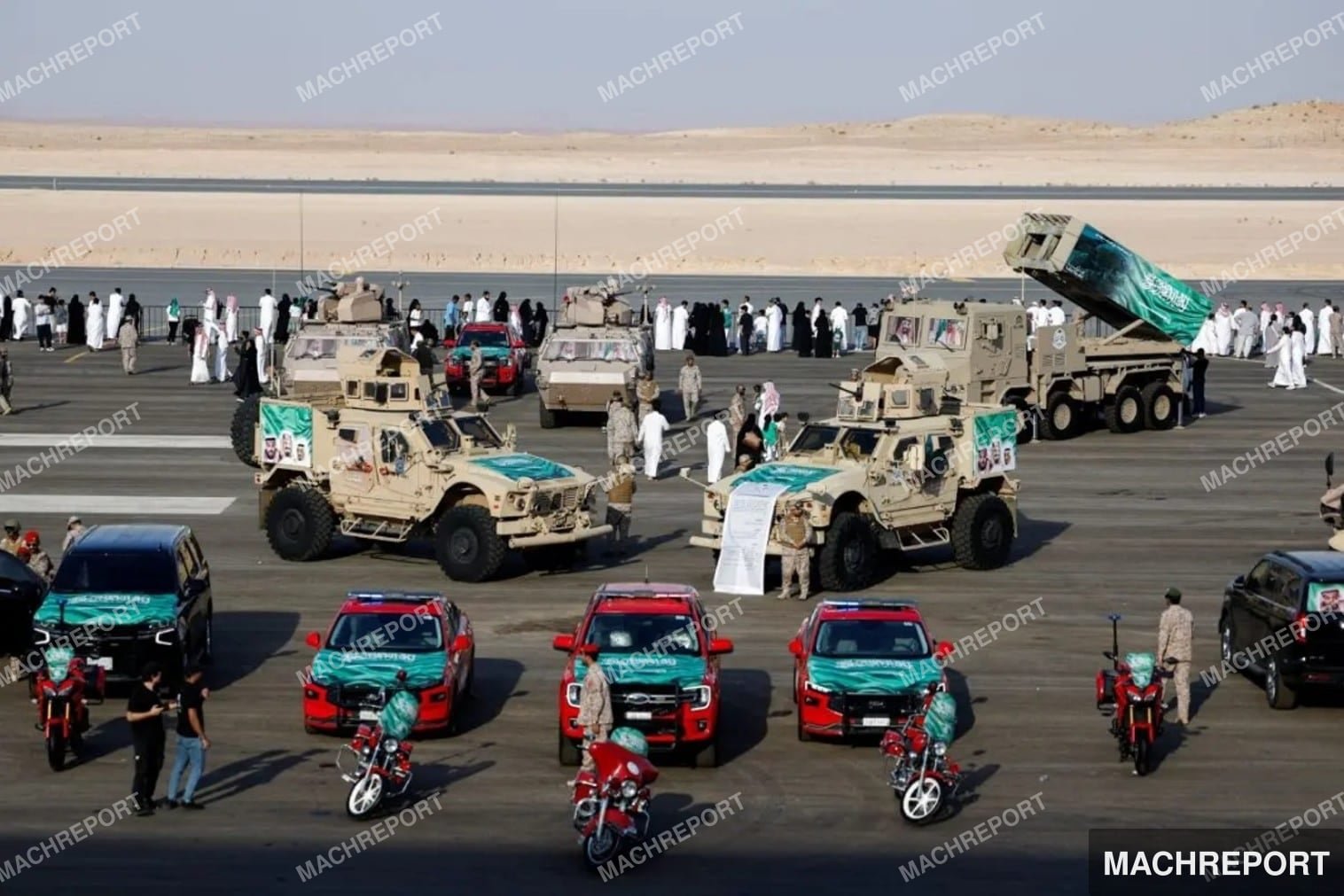
Houthi Attacks threaten Saudi Arabia’s oil infrastructure, airports and maritime security, exposing defence challenges.
The escalating conflict is testing Crown Prince Mohammed bin Salman’s security strategy and raising concerns about economic stability. Riyadh must strengthen its defences while exploring diplomatic options to prevent further escalation.
Houthi Attacks Threaten Saudi Arabia’s Critical Infrastructure
Saudi Arabia faces growing difficulties in protecting strategically important facilities from Houthi attacks. Military operations against Houthi-linked targets in Yemen have contributed to a cycle of retaliation, raising concerns about the security of Saudi infrastructure.
Airports and energy facilities are particularly important because disruptions can affect travel, business operations and international investment. Even limited damage can create public anxiety and undermine confidence in the Kingdom’s security arrangements.
Saudi Arabia has invested heavily in modernising its armed forces. However, repeated threats to critical facilities raise questions about whether its defensive systems can adequately counter relatively inexpensive drones and missiles.
Oil and Maritime Security Under Pressure
The Houthi threat extends beyond airports to Saudi Arabia’s oil transportation network and international shipping routes. The East-West oil pipeline is particularly important because it provides an alternative route for transporting crude oil towards the Red Sea.
The Bab el-Mandeb Strait is another strategic concern. Connecting the Red Sea with the Gulf of Aden, it serves as an important passage for international trade. Attacks on commercial vessels can increase insurance costs, delay deliveries and force shipping companies to consider longer routes.
The Houthis have used drones, missiles and other weapons to threaten maritime traffic. These capabilities allow the movement to impose economic costs without directly confronting a conventional navy.
Saudi Arabia must also protect power stations, desalination plants and communications facilities. Disruptions to essential services could have serious consequences, making infrastructure security a central part of its national defence strategy.
Mohammed bin Salman Faces Difficult Choices
Crown Prince Mohammed bin Salman faces a difficult decision over how to respond to the continuing Houthi threat. A stronger military campaign could weaken the movement, but previous operations have shown that air power alone cannot easily defeat an organisation with established local networks.
Further escalation could trigger additional attacks against Saudi cities, energy facilities and shipping interests. This would risk prolonging the conflict without guaranteeing a decisive outcome.
Reducing military pressure also carries risks. The Houthis could consolidate their position, while Saudi Arabia would have to consider how its response might influence Iran and other regional actors.
Riyadh therefore needs a strategy that combines credible deterrence with diplomatic engagement. Military retaliation may demonstrate resolve, but it cannot independently address the political conditions sustaining the conflict.
Can Saudi Arabia Rely on International Allies?
Saudi Arabia is seeking assistance from international partners, including the United States, Britain, France, Pakistan and Türkiye. However, direct military involvement from these countries cannot be taken for granted.
The United States could provide intelligence, equipment and missile-defence support. Nevertheless, a broader military campaign would carry political and security risks, including potential retaliation against American personnel and facilities.
Washington must also consider its competing security priorities and the availability of essential defensive ammunition. Consequently, Saudi Arabia cannot base its entire response on the expectation of direct American military intervention.
The condition of Saudi-backed Yemeni government forces presents another obstacle. Divisions among anti-Houthi groups have weakened their ability to coordinate effectively. Without a coherent political and military strategy inside Yemen, Riyadh risks remaining dependent on airstrikes and external assistance.
Iran’s Influence on the Houthi Conflict
Iran remains an important factor because of its political support, military expertise and assistance with weapons technology. Its relationship with the Houthis adds a wider regional dimension to Saudi Arabia’s security concerns.
However, the Houthis also have independent political objectives and have developed domestic weapons-production capabilities. Their resilience cannot be attributed entirely to Iranian support.
Diplomacy could help reduce tensions if Tehran uses its influence to encourage the movement to limit attacks. However, Iran’s willingness and ability to secure a lasting change in Houthi behaviour remain uncertain.
Any meaningful agreement would also need to address the wider conflict in Yemen and provide credible security assurances to Saudi Arabia. A temporary ceasefire alone may not prevent further confrontation.
The Future of Saudi Arabia’s Defence Strategy
The Houthis have exposed the limitations of relying solely on military superiority and economic power to guarantee national security. Saudi Arabia can strengthen its air defences, improve intelligence cooperation and seek assistance from international partners, but these measures alone are unlikely to end the conflict.
Riyadh needs a broader approach that combines infrastructure protection with sustained diplomatic engagement and a coherent political strategy for Yemen. Reducing the threat will require both effective deterrence and efforts to address the underlying causes of the confrontation.
For Mohammed bin Salman, the stakes extend beyond immediate security. Saudi Arabia’s economic ambitions depend on stability, investor confidence and the protection of critical assets.
The Houthis may lack the resources to match Saudi Arabia in a conventional war, but their ability to threaten infrastructure and disrupt trade gives them considerable leverage. Until Riyadh finds a sustainable balance between military defence and diplomacy, the Kingdom will continue to face significant security and economic challenges.
Comments
Login to comment
No comments yet. Start the conversation.