Operation Sindoor: Engineering the Perception of Victory
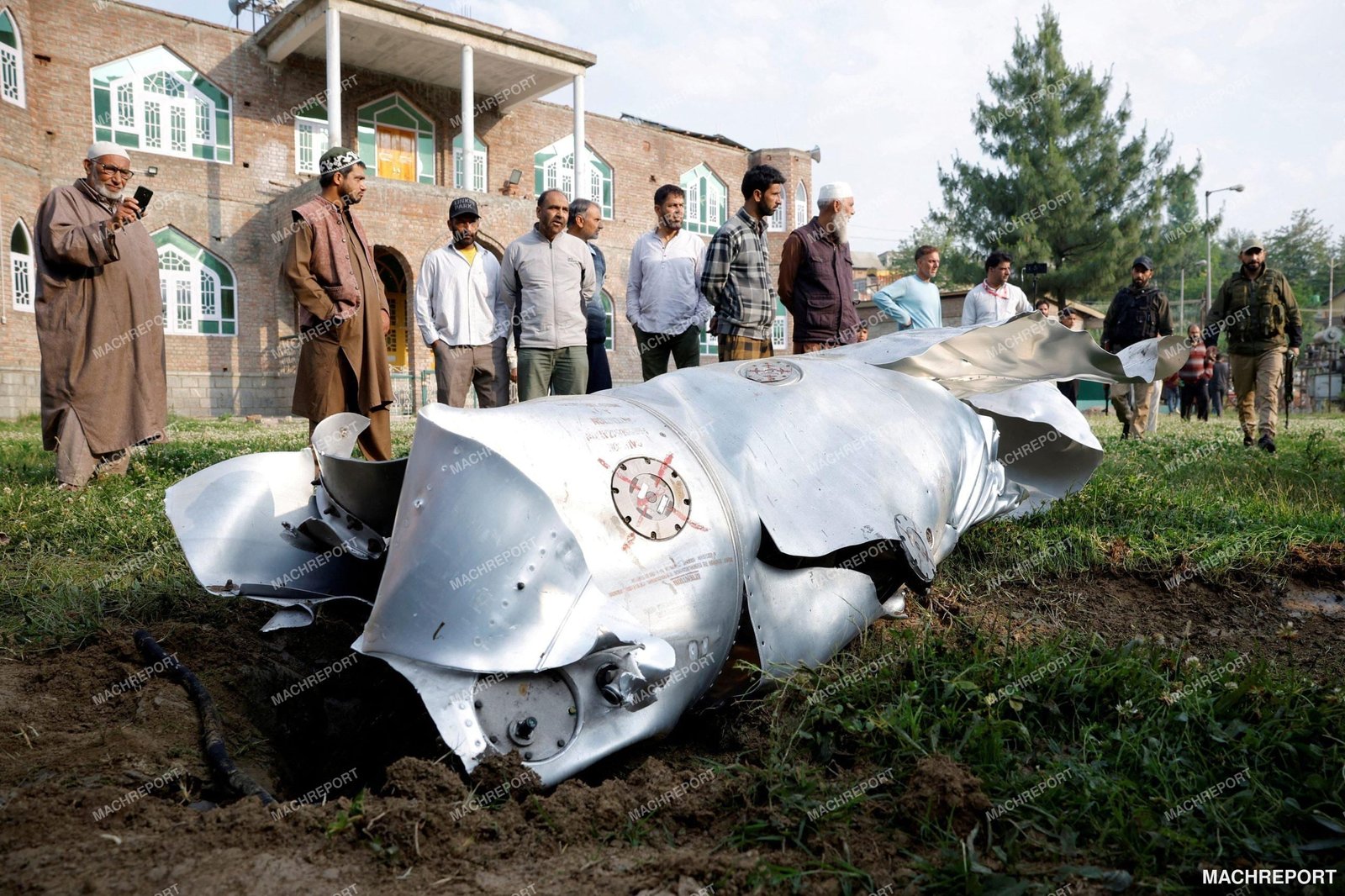
Operation Sindoor shaped perceptions of the May 2025 India-Pakistan war, raising concerns over military escalation, nuclear risks, and regional stability.
A common saying goes, “perception matters more than reality.” Given Indian media’s perseverance, a vast majority of India’s population believes that it won the conflict in May 2025 against Pakistan. The conflict, which included Operation Sindoor, has been widely portrayed in Indian media as a military success. Surveys conducted soon after the conflict found that 84% of Indians believed their armed forces had defeated Pakistan. The BJP also made significant political gains, as 70% of Indians saw Narendra Modi as the most capable leader and the one who taught Pakistan the hardest lesson. Without any nationwide poll asking a direct question about whether India won the war, many Indians consider the May 2025 war a military success. The article examines the ramifications of the growing misperceptions in India.
India-Pakistan May 2025 War: Shaping the Perception of Victory
According to a survey CVoter conducted in India between May 10 and 12, 2025, over 68% of Indians were completely satisfied with the military action the Modi government ordered against Pakistan. During July and August 2025, India Today interviewed 206,826 personnel across India. The survey found that 55% of participants considered this operation a strong military action, while 21% considered it weak and probably wanted it to be even stronger.
A Foreign Policy Survey published in 2026 by Observer Research Foundation, a New Delhi-based think tank, highlights growing support for military action, as 93% of the population approved Operation Sindoor against the perceived cross-border terrorism originating from Pakistan. Celebrating the first anniversary of the conflict, India Today claimed that the balance shifted in India's favour right on the first day, and on the subsequent day Pakistan did not have any answer to India's long-range missile attacks.
Similarly, former Chief of Defence Staff General Anil Chuhan, in a May 2025 interview, without explaining why the IAF grounded its fighter fleet for 48 hours, continued to claim victory through an integrated multidomain approach. To summarise, Indian public perception increasingly treats the May 2025 war as a military success for India.
Operation Sindoor and India’s Growing Perception of Military Success
Indian analysts and opinion makers deceptively incorporated the China factor into the narrative, tactfully ignoring the fact that using munitions does not attribute victory to the manufacturer. Citing Chinese equipment in the Pakistan Air Force inventory, they argued that in any future conflict, India may have to fight a joint China-Pakistan force.
Building such perceptions helps India's cause. Explicitly, it explains the increase in the defence budget, such as the substantial emergency allocation made after the May War. It also projects India as a regional power. Implicitly, it justifies the embarrassment the Indian Air Force faced in Operation Sindoor.
However, sustained promotion of such a narrative can be counterproductive, in fact, dangerous. The China-factor is increasingly used to justify military capability development, despite little appetite for a military conflict against China. While promoting such a narrative may satisfy the domestic audience, it may also compel Indian military leadership to use excessive force in any future military conflict against Pakistan, which will certainly escalate to dangerous levels.
India-Pakistan Military Conflict and the China Factor
Meanwhile, despite a significantly lowered nuclear threshold, Indian media is trying to establish a narrative that, against Pakistan, there is more space for conventional conflict below the nuclear threshold than is usually believed. It is also promoting the possibility of “repeatable conventional punishment” in place of the traditional notion of “limited war.”
Because it could build a false perception of victory in Operation Sindoor, presenting a calibrated response, escalation management by rational actors, and precision demonstrated by conventional air power, it continues to argue that conventional escalation is controllable and feasible.
While peddling such a narrative may offer electoral benefits to the BJP government, New Delhi is ignoring the fact that, as an aggressor and the relatively larger power in the conflict, the onus of staying below the nuclear threshold falls squarely on it. Increasing transparency from surveillance technology and social media may limit Indian opinion makers’ ability to establish a false narrative of victory in future.
The embarrassment it faces may force the political leadership to push controlled conventional escalation, with catastrophic consequences.
India-Pakistan Nuclear Escalation and Regional Stability
Taken together, these developments have serious implications for future regional stability. A false perception of victory has created systemic overconfidence in India's ability to manage escalation below the nuclear threshold.
Exploiting the China factor, through emergency allocations, India is aggressively procuring dangerous missile and drone capabilities, which may generate even greater confidence in the use of military force.
Fast-growing surveillance systems and social media applications will make it difficult to promote a one-sided narrative and sell a false perception of victory. India may find itself in an "escalation trap" in future, with catastrophic regional and global implications.
Comments
Login to comment
No comments yet. Start the conversation.