Pakistan Air force and Its Role in National Resilience
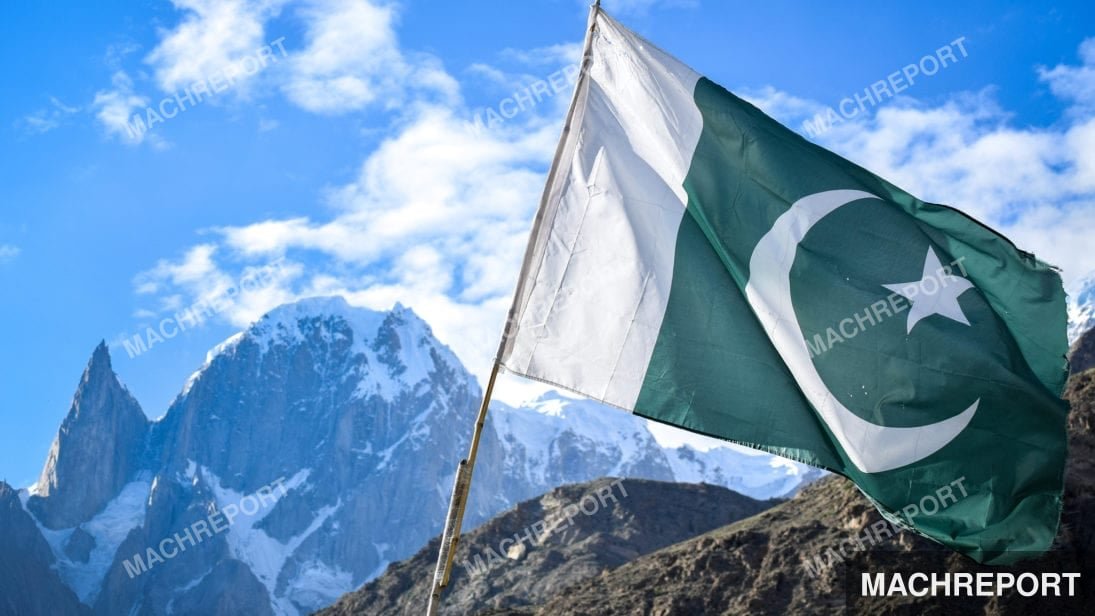
When people hear about PAF, they usually think about fighter jets, air defence and combat missions. This is natural because protecting Pakistan’s airspace is PAF’s main responsibility. However, the role of PAF goes far beyond combat. It also plays an important role in disaster relief, search and rescue, medical assistance, transportation, training, technology and national development.
Under the leadership of Air Chief Marshal Zaheer Ahmed Baber Sidhu, the PAF has also continued to strengthen its capabilities through modernization, professional training, technological development and greater focus on indigenous capacity. His strategic vision has helped the force prepare for a changing security environment, where emerging technologies such as artificial intelligence, cyber systems, unmanned platforms, space and electronic warfare are becoming increasingly important. This approach is not only strengthening the PAF as a fighting force but is also expanding its ability to respond to wider national challenges.
These activities do not always receive public attention. They are often carried out quietly and during difficult situations. When floods destroy roads, helicopters can reach stranded people. When an earthquake cuts off a remote area, aircraft can carry food and medicines. When people need urgent medical help, PAF teams can provide assistance. These missions show that the PAF is not only a fighting force. It is also an important national emergency-response institution.
Pakistan faces many natural disasters including Floods, earthquakes, landslides and other emergencies. In many cases, roads and bridges are damaged or completely destroyed. This makes it difficult for rescue teams and relief trucks to reach affected communities. Air power becomes very important in such situations. Helicopters can reach areas that are difficult to access by road. They can evacuate people, deliver food and medicines and move rescue teams.
The PAF's role during the devastating floods of 2022 was a clear example. PAF helicopters were used to rescue people and deliver food, medicines and other essential supplies. Transport aircraft also helped move relief material. PAF personnel established medical camps and provided treatment to people in flood-hit areas. Thousands of people received food, drinking water and medical assistance. These efforts showed how military resources can be used to support citizens during a national emergency.
Disaster relief also requires much more than aircraft. It needs proper planning and coordination. PAF has the command, communication and surveillance systems needed for such operations. These systems are normally used for national defence, but they can also support humanitarian operations. This makes the PAF an important partner for civilian authorities during major emergencies.
Medical assistance is another important but less visible part of the PAF's work. During disaster operations, PAF medical teams establish temporary medical camps in affected areas. They provide basic treatment and emergency care to people who may have no other access to healthcare. Search and rescue is also a demanding responsibility. PAF helicopters and trained personnel used to locate and evacuate people during emergencies. This included people trapped by floods, landslides or other disasters.
Such missions require highly trained crews. Flying a helicopter in difficult weather or over mountainous areas is not easy. Pilots and rescue teams must make quick decisions while dealing with difficult conditions. Their training and experience become extremely valuable when lives are at risk.
The PAF also plays an important role in air transportation. Pakistan is a large country with diverse geographical regions. The northern areas have high mountains, while other parts of the country include deserts, plains and coastal regions. Moving people and supplies across such a large and diverse country can be difficult during emergencies. Transport aircraft provide the PAF with the ability to move personnel, equipment and relief supplies quickly. This capability is useful not only for military operations but also during national emergencies. It can help connect areas that have been cut off from the rest of the country.
The PAF has also supported humanitarian efforts outside Pakistan. When disasters occur in other countries, Pakistan use its air transport capabilities to send relief supplies and assistance. Such missions have a value beyond immediate humanitarian support. They also show Pakistan's willingness to help other nations during difficult times. Another important area is training. The strength of an air force does not depend only on its aircraft. It also depends on the quality of its people. Pilots, engineers, technicians, doctors, intelligence officers and other specialists all play important roles.
PAF training is therefore much broader than flying fighter aircraft. Personnel are trained in engineering, logistics, communications, intelligence, air traffic management, medicine and other fields. Technology is also changing the role of modern air forces. Today, an air force needs more than fighter aircraft. It needs advanced communication systems, surveillance capabilities, unmanned systems, cyber capabilities and modern command-and-control networks. Under Air Chief Marshal Zaheer Ahmed Baber Sidhu, the force has placed strong emphasis on modernization, technology, indigenization and the development of new capabilities. His strategic vision has focused on preparing the PAF for the changing nature of warfare and emerging security challenges. His leadership has also supported greater attention to areas such as artificial intelligence, cyber, space, electronic warfare and unmanned systems.
This approach is important because future challenges will not be limited to traditional air combat. Modern security threats can involve cyber attacks, electronic warfare, drones, information systems and other technologies. A strong air force must therefore be ready to operate across different domains.
Indigenous technology is another important part of this effort. Developing local expertise reduced dependence on foreign sources. It also creates opportunities for Pakistani engineers, scientists and technology companies. The National Aerospace Science and Technology Park is part of this wider effort. Its focus on aerospace, information technology, cyber, space and research help create a stronger domestic technology base.
This is why the PAF should not be viewed only through the lens of war. Its role in national security is much wider. National security also means protecting people during disasters, maintaining emergency capabilities and helping the country recover from major crises. Unfortunately, many of these activities receive little public attention. People often see the PAF during military exercises, national celebrations or reports about defence operations. The quieter work is rarely discussed for long.
This wider role also reflects the professionalism of the institution. The same discipline required for combat operations is useful during rescue and relief missions. The same planning skills required for military exercises are needed during disaster response. The same technological capabilities used for defence can support humanitarian work. The PAF's contribution should therefore be seen as part of Pakistan's overall national resilience. It protects the country's airspace, but it can also help protect citizens during times of crisis. The phrase "PAF beyond combat" captures this wider responsibility.
This quieter side of the Pakistan Air Force deserves greater recognition. A strong air force must be ready to fight when necessary. But it must also be ready to serve the nation when its people face crisis.
Comments
Login to comment
No comments yet. Start the conversation.