US Green Card Suspension: Major IT Firms Face Immigration Restrictions
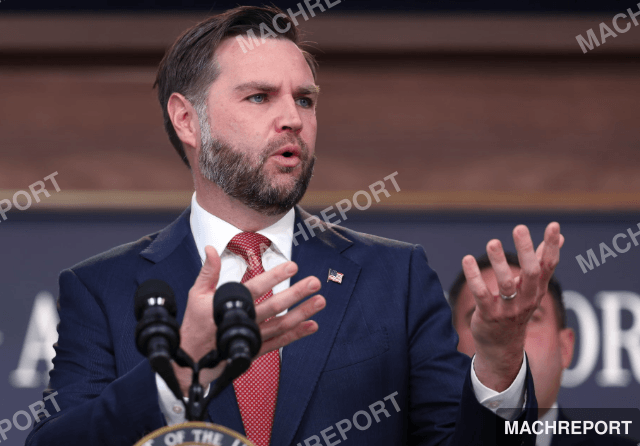
US green card suspension affects TCS, Infosys, Wipro, HCLTech, Cognizant, Capgemini, Microsoft and Adobe, raising concerns for skilled foreign workers.
The US green card suspension announced in October 2026 has created uncertainty for major technology companies and foreign professionals seeking permanent residency in the United States. The Trump administration has suspended eight prominent firms, including Indian IT giants Tata Consultancy Services (TCS), Infosys, Wipro and HCLTech, alongside Cognizant, Capgemini, Microsoft and Adobe, from the Permanent Labor Certification (PERM) programme. The move reflects Washington’s growing scrutiny of employment-based immigration and its stated objective of protecting American workers.
What Is Behind the US Green Card Suspension?
On October 8, US Labour Secretary Keith Sonderling announced the suspension, with Vice President JD Vance supporting the administration’s position. According to officials, the affected companies are under scrutiny for allegedly misusing immigration programmes and hiring foreign workers at the expense of American employees.
The PERM programme is a crucial step in many employer-sponsored employment-based green card applications. It generally requires employers to demonstrate that hiring a foreign worker for a particular position will not adversely affect qualified US workers’ wages and working conditions.
Under the announced restrictions, the Department of Labor said it would not accept new or process pending PERM applications involving the suspended companies. However, the measure should not be confused with a blanket ban on Indian nationals entering the United States.
Which Companies Are Affected?
The eight companies named in reports are TCS, Infosys, Wipro, HCLTech, Cognizant, Capgemini, Microsoft and Adobe. Although several have substantial Indian operations or employ large numbers of Indian professionals, the list also includes major American and European technology companies.
This distinction is important because the decision is not exclusively directed at Indian businesses. Instead, it forms part of a broader immigration enforcement initiative targeting major technology employers.
US officials said the companies collectively requested nearly three million foreign workers since 2009. They also cited more than 230,000 H-1B visa approvals and over 100,000 permanent labour certifications. These figures were presented by government officials as part of their argument for stronger oversight; they do not, by themselves, establish wrongdoing by every company.
Impact on Indian IT Professionals
The restrictions could create difficulties for Indian professionals who rely on employer-sponsored immigration to obtain permanent residency. Employees whose green card applications depend on PERM certification may face delays, uncertainty and changes to their long-term career plans.
The impact could be particularly significant for workers already navigating lengthy employment-based immigration backlogs. However, the suspension does not automatically cancel existing H-1B visas or green cards. The consequences for individual workers will depend on their immigration status, application stage and any subsequent government guidance.
India’s technology sector also has substantial commercial interests in the US market. Any prolonged disruption could complicate workforce planning, recruitment and the movement of skilled employees between countries.
Could the Decision Affect India-US Technology Relations?
The suspension adds another point of friction to the debate over skilled immigration and international technology services. US policymakers argue that immigration programmes should not disadvantage domestic workers, while technology companies maintain that international talent supports innovation, business growth and competitiveness.
India’s IT industry body, Nasscom, has argued that Indian technology companies have reduced their dependence on H-1B visas and expanded local hiring in recent years. This suggests that the industry’s response may involve greater investment in US-based recruitment and alternative workforce strategies.
The US green card suspension represents a significant development for major technology employers and foreign professionals pursuing permanent residency. Its immediate implications include halted PERM processing for the affected firms, while the longer-term effects will depend on the investigations, enforcement decisions and any changes to the restrictions.
Although the move may disproportionately concern Indian IT professionals because of the industry’s extensive US presence, it is premature to interpret the decision as definitive evidence of declining global standing for the Indian diaspora. The central issue remains the future of employer-sponsored immigration and the balance between protecting American workers and retaining access to international talent.
Comments
Login to comment
No comments yet. Start the conversation.