US NMESIS Missile Deployment Near Taiwan
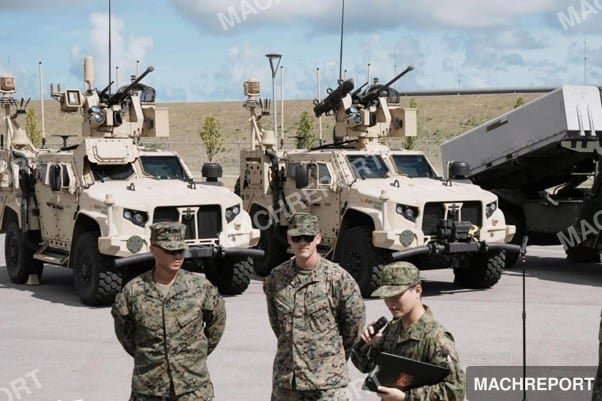
US NMESIS missile deployment on Yonaguni near Taiwan highlights growing US-Japan military coopera
US NMESIS Missile Deployment Near Taiwan
The US NMESIS missile deployment on Yonaguni Island, Japan, highlights growing military cooperation between Washington and Tokyo as security concerns surrounding Taiwan continue to shape regional defence planning. Located approximately 110 kilometres from Taiwan, the island occupies a strategically important position near major maritime routes in the western Pacific.
The United States plans to deploy its Navy-Marine Expeditionary Ship Interdiction System (NMESIS) during the Keen Sword military exercise, scheduled for October 19–29. According to Japan's regional defence authorities, this will mark the first time the American anti-ship system has been deployed on Yonaguni.
The move comes amid strained relations between China and Japan over Taiwan and increasing efforts by both the United States and Japan to improve their military readiness. Although the deployment is part of a training programme, its location underscores the importance of Japan's southwestern islands in regional security planning.
Why Yonaguni Island Is Strategically Important
Yonaguni is Japan's westernmost inhabited island and lies close to Taiwan and the East China Sea. Its location makes it relevant to maritime surveillance, island protection and military operations involving the surrounding waters.
For American forces, operating on Yonaguni provides an opportunity to practise deploying mobile missile systems closer to Taiwan than during several previous exercises. It also allows personnel to assess logistical arrangements and coordinate activities across different island installations.
During the Resolute Dragon exercises in September, NMESIS was stationed on Ishigaki Island, approximately 127 kilometres east of Yonaguni and around 240 kilometres from Taiwan. The system is also expected to return to Ishigaki during Keen Sword.
These deployments allow participating forces to practise operating from multiple locations rather than relying entirely on established military bases.
NMESIS Missile System and Its Capabilities
NMESIS is a mobile coastal missile platform developed for the US Marine Corps. Its primary purpose is to threaten hostile surface vessels and support maritime defence operations from land-based positions.
The system uses a remotely operated launcher equipped to fire anti-ship missiles. It has a reported range exceeding 185 kilometres, although operational effectiveness depends on factors such as target identification, surveillance coverage and communications.
Positioning the system on Yonaguni could place certain vessels operating in nearby waters within its potential engagement range. The platform is designed to support sea-denial operations, which aim to restrict an adversary's freedom to operate within a particular maritime area.
Its mobility also allows military personnel to practise repositioning equipment and establishing different operating locations. However, the system's effectiveness depends on coordination with other military assets, reliable information and adequate logistical support.
The planned deployment will provide American and Japanese personnel with experience operating the equipment in an island environment.
Keen Sword Exercise to Improve Joint Coordination
The upcoming Keen Sword exercise will focus on strengthening cooperation between Japanese and American forces. On Yonaguni, personnel are expected to establish a joint coordination centre at the island's garrison.
According to Japan's Okinawa Defence Bureau, the programme will include tabletop exercises focused on island defence and coordination between equipment stationed at different military facilities. Various types of equipment will support the activities, although specific arrangements may change.
The training is intended to improve communication, operational planning and cooperation between participating units. Operating across remote islands can present logistical challenges, including transporting equipment, maintaining communications and ensuring that personnel can coordinate their activities effectively.
For Japan, the exercises provide an opportunity to strengthen defence arrangements across its southwestern territories. For the United States, they offer practical experience operating with an important regional partner in geographically challenging conditions.
China-Japan Tensions Over Taiwan
The deployment comes amid continuing diplomatic disagreements between Beijing and Tokyo concerning Taiwan and regional security.
China regards Taiwan as part of its territory and has not ruled out using force to achieve unification. The United States does not formally recognise Taiwan as an independent state but opposes attempts to determine its future through coercion and supplies the island with defensive equipment.
Japan is concerned that a military confrontation across the Taiwan Strait could affect nearby Japanese territories, commercial shipping and regional security.
Relations between China and Japan deteriorated further following Japanese Prime Minister Sanae Takaichi's remarks in November suggesting that a Chinese attack or naval blockade involving Taiwan could create a situation threatening Japan's survival and potentially justify a military response.
Chinese Foreign Minister Wang Yi subsequently criticised Japanese leaders' statements concerning Taiwan, describing the issue as an urgent diplomatic concern.
The disagreement reflects wider regional tensions, as military preparations viewed by one government as defensive can be interpreted by another as a potential security threat.
Japan Plans Additional Defence Deployments
Japan is also preparing to station air-defence missile units on Yonaguni. The plans have drawn criticism from Chinese officials, who argue that Japan's expanding defence and counterstrike capabilities could support more offensive military operations.
In April, Chinese Foreign Ministry spokesman Guo Jiakun criticised Japan's approach, describing it as an attempt to establish a forward position for military confrontation.
Tokyo, meanwhile, considers stronger defence arrangements important for protecting remote islands and responding to changes in the regional security environment.
The planned air-defence deployment serves a different purpose from NMESIS. While the coastal missile platform targets surface vessels, air-defence systems are intended to counter certain airborne threats. Together, they offer opportunities to practise different aspects of island protection.
The deployments do not necessarily indicate that a conflict is imminent, nor do temporary exercises automatically establish permanent military basing arrangements.
US Expands Military Cooperation Across the Pacific
American NMESIS deployments have also taken place in the Philippines. Earlier this year, the system was stationed in the Batanes Islands, approximately 142 to 190 kilometres south of Taiwan.
The deployment gave American personnel experience operating coastal missile equipment near important maritime approaches. Together with exercises in Japan, it reflects Washington's broader interest in improving military coordination with regional partners.
The Pentagon's September 22 update on the 2026 National Defence Strategy highlighted efforts to strengthen deterrence along the First Island Chain, which extends through parts of Japan, Taiwan and the Philippines towards Southeast Asia.
MADIS System to Join Yonaguni Exercises
Keen Sword will also mark the first deployment of the Marine Air Defence Integrated System (MADIS) on Yonaguni.
This mobile, short-range platform is designed to detect and engage aerial threats, including drones, helicopters and low-flying aircraft. Its role complements NMESIS by addressing airborne threats rather than surface vessels.
Training with both systems will allow American forces to practise coordinating maritime and air-defence capabilities in an island environment.
What the Deployment Means for Regional Security
The US NMESIS missile deployment on Yonaguni demonstrates the growing importance of Japan's southwestern islands in western Pacific defence planning. The exercises will allow American and Japanese forces to test equipment, improve coordination and strengthen operational readiness.
For Washington and Tokyo, these activities support closer military cooperation as concerns surrounding Taiwan continue to influence regional security decisions. China, however, views expanding military cooperation near its territory with concern, contributing to existing diplomatic disagreements.
Comments
Login to comment
No comments yet. Start the conversation.